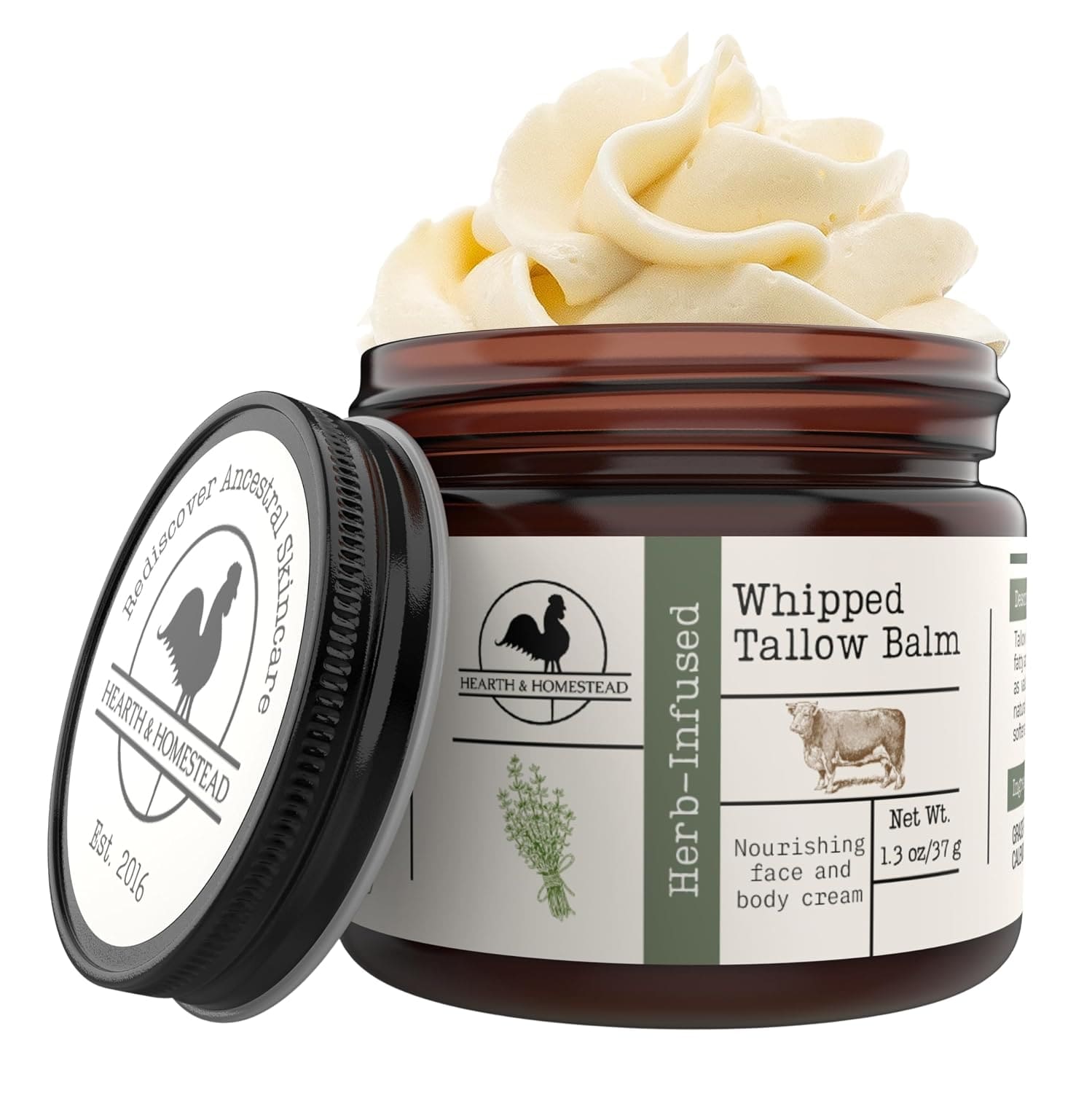
After reviewing skincare products across different types of moisturizers, balms, oils, and barrier products, I have learned that a long ingredient list does not always mean better skincare. I look closely at ingredients, texture, intended skin type, manufacturing claims, ease of use, and the research behind the benefits being advertised. For this Hearth & Homestead Whipped Beef Tallow Balm, I examined the formula, current manufacturer information, and available research on topical tallow. My goal here is simple: explain what this balm can realistically do, where it stands out, and where expectations should stay reasonable so you can decide whether it fits your skincare routine.
What I Like and What I Don’t
Pros
- Simple tallow-based formula
- Whipped balm texture
- Made for face and body use
- Unscented version has no added fragrance
- Small amount can cover a useful area
- Rich texture suits very dry skin
- Helps reduce the dry, tight feeling of skin
- Creates an occlusive-style protective layer
- Useful for hands, elbows, knees, feet, and other dry areas
- Can be used as a simple final moisturizing step
- Made in small batches in Virginia according to the brand
- Tallow comes from grass-fed and grass-finished cattle according to the current manufacturer information
- No synthetic fragrance in the unscented version
- No complicated skincare routine required
- Portable 1.3 oz jar
- Simple jar packaging
- Suitable for people who prefer traditional balm-style skincare
- No water-heavy lotion texture
- Can be useful during cold or dry weather
- Rich consistency may reduce how much product you need per application
Cons
- Beef-derived, so it is not vegan
- The texture can feel too rich for some people
- May not suit everyone with oily or acne-prone skin
- Human research specifically on beef-tallow skincare remains limited
- Claims about treating eczema, rosacea, psoriasis, or acne are not well established
- Unscented does not necessarily mean completely odor-free
- Natural tallow can have a mild fatty or buttery smell
- Whipped texture may change in high temperatures
- Jar packaging requires fingers or a small applicator
- 1.3 oz is a fairly small amount for regular whole-body use
- Rich balms may feel heavy when too much is applied
- More specialized than a regular drugstore moisturizer
- Price per ounce can be higher than simple lotions
- People with known sensitivities should still patch-test it
Who Will Get the Most Value From It?
Hearth & Homestead Whipped Beef Tallow makes the most sense for someone who prefers a rich and simple moisturizer rather than a light lotion. I see it being most useful for adults with dry-feeling hands, rough elbows, dry facial areas, knees, feet, or skin that feels uncomfortable during cold weather. It may also interest people who prefer traditional animal-fat skincare and want to avoid added synthetic fragrance.
I would be more careful if your skin becomes clogged easily or if you already have active acne. The current research does not establish tallow as universally non-comedogenic for every person, and researchers have specifically noted that stronger evidence is needed around its effects on human skin.
For eczema, psoriasis, rosacea, persistent rashes, broken skin, or other ongoing skin conditions, I would treat this as a moisturizer rather than medicine. Moisturizers can be an important part of eczema care, but that does not mean every moisturizer treats the underlying condition.
Product Details
| Specification | Details |
|---|---|
| Product | Hearth & Homestead Whipped Beef Tallow |
| Brand | Hearth & Homestead |
| Product Type | Moisturizing Balm |
| Main Base | Beef Tallow |
| Current Unscented Formula | Tallow + Infused Olive Oil |
| Texture | Whipped Balm |
| Small Jar Size | 1.3 oz |
| Larger Size Available | 2.6 oz on current official listing |
| Added Fragrance | None in Unscented Version |
| Recommended Area | Face and Body |
| Skin Types Marketed For | Dry, combination, oily, sensitive and acne-prone skin |
| Main Cosmetic Purpose | Moisturizing and skin-barrier support |
| Container | Jar |
| Number of Items | 1 |
| Application Time | As Needed |
| Manufacturing Location | Virginia, USA, according to brand |
| Production Style | Small-Batch / Handmade |
| Tallow Source Claim | Grass-Fed and Grass-Finished USA Cattle |
| Processing | Low-Heat Rendering According to Brand |
| Synthetic Fragrance | None in Unscented Formula |
| Target User | Primarily Adults |
| Best Use Areas | Face, hands, elbows, knees, feet and dry body areas |
The current manufacturer page lists the unscented whipped balm in 1.3 oz and 2.6 oz sizes and describes it as a two-ingredient formula made with tallow and infused olive oil.
Buy this product from Amazon
Breaking Down the Hearth & Homestead Tallow Balm
The Very Short Ingredient List Is a Major Part of Its Appeal
The first thing that stands out to me is how simple this product tries to be.
Modern skincare can become complicated very quickly.
One bottle contains niacinamide.
Another contains peptides.
Another contains retinol.
Then there are toners, essences, serums, creams, sleeping masks, and facial oils.
Hearth & Homestead goes in almost the opposite direction.
The current unscented whipped balm is marketed around only two main ingredients: tallow and infused olive oil.
That simplicity has a real advantage.
It becomes easier to understand what you are putting on your skin.
You are not dealing with a formula containing 20 or 30 ingredients.
For someone who prefers minimalist skincare, this can be attractive.
However, simple does not automatically mean better for every person.
Skin can react to natural ingredients as well as synthetic ingredients.
So I still think a small patch test is sensible when trying any unfamiliar skincare product.
Why Tallow Can Work as a Moisturizing Ingredient
Beef tallow is mainly fat.
That sounds extremely basic, but fat-based ingredients have an important place in skincare.
Dry skin often benefits from ingredients that help reduce moisture loss and improve the feeling of the outer skin layer.
Tallow contains fatty acids including oleic, palmitic, and stearic acids.
A 2024 scientific review found evidence that tallow can have moisturizing and hydrating properties. At the same time, the researchers made it clear that there are major gaps in human research and that more controlled studies are needed.
That gives me a much more balanced way to look at this balm.
I would not describe tallow as a miracle ingredient.
I would describe it as a rich fatty emollient with plausible moisturizing benefits.
That may sound less exciting.
But it is a more useful reason to buy skincare.
Buy this product from Amazon
The Rich Barrier Feeling
One of the main reasons people use balm products is that they leave more protection on the skin than thin lotions.
A lightweight lotion can disappear quickly.
That is perfect for some situations.
But when my skin-care evaluation is focused on very dry areas, I normally look for something richer.
Tallow naturally creates that richer experience.
Applied in a thin layer, a fat-based balm can soften rough skin and reduce the uncomfortable dry feeling that appears after frequent handwashing, cold weather, or exposure to dry indoor air.
This type of product makes particular sense on:
- Hands
- Knuckles
- Elbows
- Knees
- Heels
- Dry areas around the face
- Other areas that need stronger moisture protection
I would use less on the face than on the hands or feet.
With rich balms, more product is not always better.
The Whipped Texture Changes the Experience
Regular rendered tallow can be dense.
Hearth & Homestead whips its balm.
That changes the way the product feels when you take it from the jar.
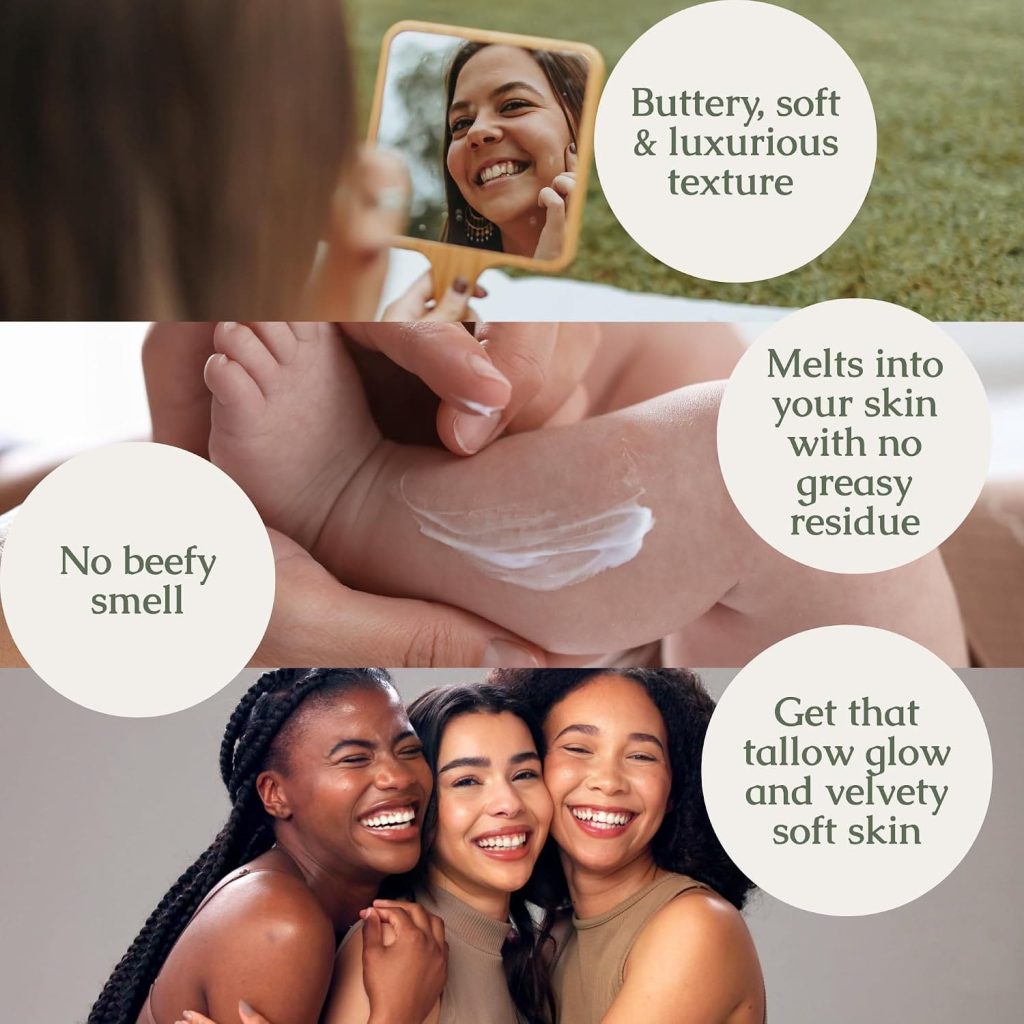
Instead of feeling like a hard block of fat, the whipped texture is designed to feel lighter and easier to spread.
The company currently describes the balm as having a light whipped consistency intended for easier absorption.
I think this is one of the most important practical features.
A skincare ingredient can be excellent on paper but annoying to use.
If something is too hard to scoop or too difficult to spread, people stop using it.
Whipping helps solve that problem.
You can pick up a small amount and spread it over a larger area as it warms against the skin.
That also means you should begin with less than you think you need.
Too much can turn the pleasant balm feeling into a heavy greasy layer.
How I Would Apply It
My approach with a balm this rich is simple.
Start small.
A tiny amount is easier to add to than a large amount is to remove.
I would warm the balm between clean fingertips first.
As it warms, it becomes easier to spread.
Then I would press or gently spread a thin layer over the dry area.
On hands, elbows, knees, or heels, I would be comfortable using a little more.
On facial skin, I would use much less.
I also think rich balms generally make the most sense as a final moisturizing layer rather than something applied underneath many other products.
This helps keep the routine simple.
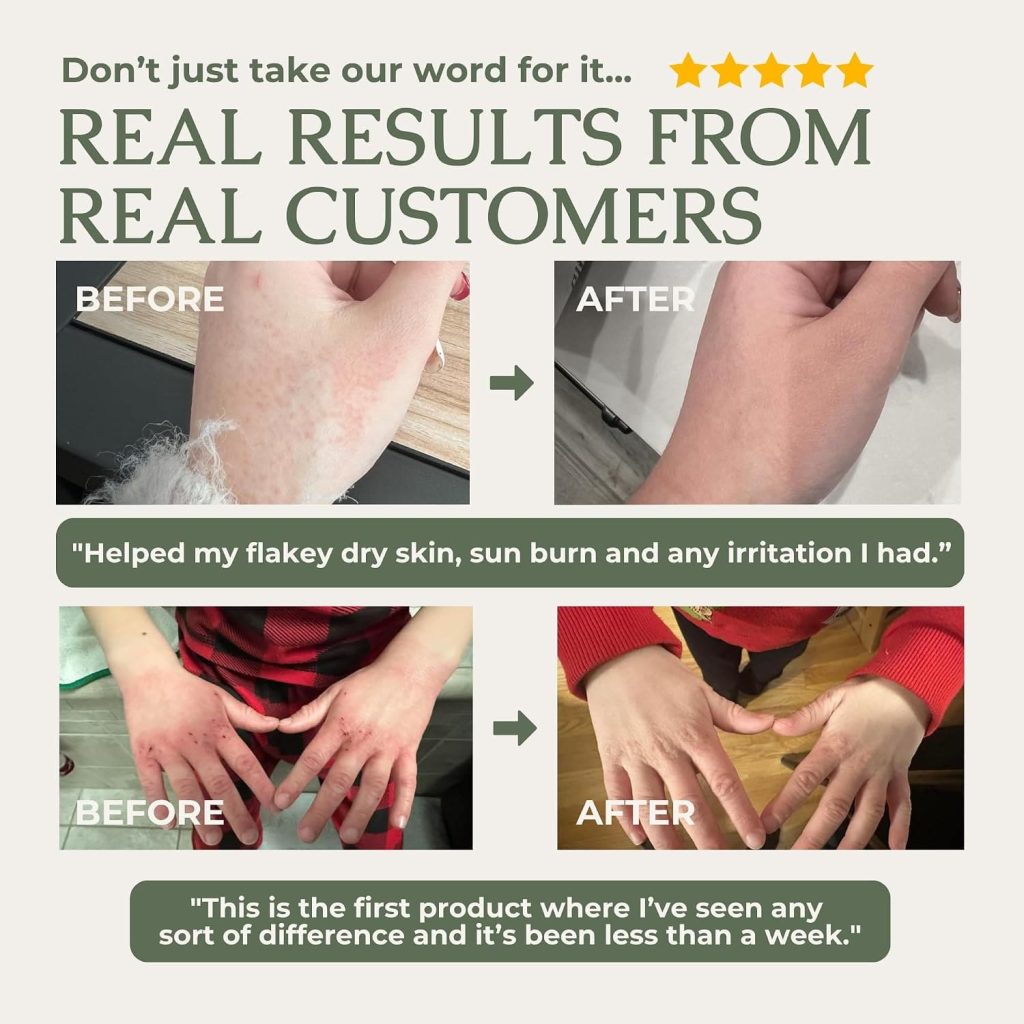
Dry Hands Are Probably One of Its Best Uses
If I had to choose one area where a tallow balm makes obvious practical sense, dry hands would be near the top of my list.
Hands take a lot of abuse.
Soap.
Water.
Cold air.
Cleaning products.
Air conditioning.
Paper handling.
Outdoor work.
Repeated washing.
All of these can leave the skin feeling rough.
A rich balm is useful because it stays on the skin differently from a thin lotion.
I particularly like this format for knuckles and the dry areas around the fingers.
You do not necessarily need to coat your hands heavily.
A small amount rubbed into dry areas can be enough.
For daytime use, apply less.
For a richer nighttime moisturizing routine, a slightly heavier layer may feel more comfortable.
Using It on the Face Requires More Restraint
The word “tallow” can make people imagine putting a thick layer of fat across the entire face.
I would not use it that way.
A small amount is enough.
Rich facial products can feel excellent on dry skin when used carefully.
They can also feel uncomfortable when overapplied.
For a dry cheek area, for example, I would use a very thin layer.
The product can act almost like a finishing balm.
That is different from treating it like a normal lightweight face lotion.
This distinction matters.
A 1.3 oz jar looks small, but facial application requires very little product.
As a face balm, the jar may therefore last much longer than it would if used every day across the entire body.
What About Oily or Acne-Prone Skin?
This is where I would be more cautious.
The brand markets its balm for a wide variety of skin types and currently describes it as non-comedogenic.
However, independent evidence is less certain.
A recent analysis of tallow skincare claims noted that claims involving acne and comedogenicity need stronger scientific support.
That does not mean tallow will automatically cause acne.
It means I would not promise that it cannot.
Everyone’s skin behaves differently.
Someone with very dry facial skin could enjoy a fatty balm.
Someone with oily skin and easily blocked pores might prefer a lighter moisturizer.
If you are unsure, testing it on a small area first makes more sense than immediately covering the whole face.
Unscented Is Useful for People Who Dislike Added Fragrance
I prefer the idea of an unscented option for a general-purpose moisturizer.
Fragrance is not necessary for moisturizing.
The current formula does not contain added fragrance, although the manufacturer notes that the ingredients can still have their own natural aroma.
That distinction is important.
“Unscented” does not always mean “smells like absolutely nothing.”
Tallow is an animal-derived fat.
Olive oil also has its own natural scent.
The manufacturing process may reduce strong odors, but someone extremely sensitive to natural ingredient smells may still notice something.
Personally, I would rather have a mild natural ingredient smell than add fragrance simply to hide it in a product designed for dry or sensitive-feeling skin.
Low-Heat Processing Sounds Good, But Keep It in Perspective
Hearth & Homestead emphasizes its rendering method.
The company says it uses a low-heat process and avoids industrial bleaching. It also says its animal fat comes from grass-fed and grass-finished regenerative farms.
From a product-quality perspective, I like transparency about sourcing and processing.
It tells me more than a vague label saying “natural.”
However, I would not turn the processing story into a medical claim.
Low-temperature rendering may help the manufacturer achieve the texture, appearance, and composition it wants.
It does not automatically prove that the balm will treat a skin disease better than a conventional moisturizer.
That is an important line to keep clear.
Buy this product from Amazon
Beef Tallow and Skin-Friendly Fatty Acids
Tallow contains several fatty acids that are already familiar in cosmetic science.
The published review of tallow identified oleic acid, palmitic acid, and stearic acid among its major fatty components.
These fatty acids help explain why tallow can behave like an emollient.
An emollient helps smooth and soften the skin.
That is the benefit I find easiest to understand when looking at this product.
You do not need complicated claims.
Dry skin feels rough.
A rich fatty balm fills and coats the dry surface.
The skin can then feel softer and less tight.
That simple mechanism is enough to make tallow interesting as a moisturizer.
Hearth & Homestead Whipped Tallow VS Other Moisturizers
| Feature | Hearth & Homestead Tallow | Petroleum Jelly | Regular Body Lotion | Plant-Based Balm |
|---|---|---|---|---|
| Main Texture | Rich whipped balm | Very thick ointment | Light to medium | Rich balm |
| Animal-Derived | Yes | No | Usually no | No |
| Added Fragrance | None in Unscented Version | Usually none | Depends | Depends |
| Main Function | Moisturizing / emollient barrier | Strong occlusive barrier | Hydration + moisturization | Moisturizing / barrier |
| Face Use | Possible in small amount | Possible but very occlusive | Usually easy | Depends on formula |
| Dry Hands | Very suitable | Very suitable | Suitable | Suitable |
| Elbows / Heels | Very suitable | Very suitable | Moderate to good | Very suitable |
| Lightweight Feeling | No | No | Usually yes | Usually no |
| Water-Based | No | No | Usually yes | Usually no |
| Simple Formula | Yes | Very simple | Often more complex | Usually simple |
| Vegan | No | Generally yes from animal-product perspective | Depends | Usually yes |
| Evidence Base | Limited specific tallow research | Extensive occlusive use | Varies by formula | Varies |
| Best Feature | Rich traditional balm texture | Powerful moisture-loss barrier | Easy daily use | Animal-free rich moisture |
| Main Weakness | Limited tallow-specific human research | Greasy feel | Can require frequent reapplication | Formula varies greatly |
Buy this product from Amazon
Tallow Balm vs Petroleum Jelly
The manufacturer makes strong comparisons with petroleum-based products.
I would be more careful.
Petrolatum has a long history as an effective occlusive skincare ingredient.
Tallow has different fatty components and a different skin feel.
Rather than saying one is automatically better, I would look at what experience you prefer.
Petroleum jelly creates a strong protective layer.
Tallow feels more like a fatty balm or emollient.
Some people will prefer one.
Some will prefer the other.
There is no need to make the choice ideological.
The better moisturizer is the one that your skin tolerates and that you will actually use consistently.
Tallow Balm vs Regular Lotion
This is probably the more useful comparison.
A lotion normally contains significant water.
That makes it lighter and easier to spread over large areas.
Tallow balm is much richer.
For an entire body after a shower, a normal lotion may be easier.
For a stubborn dry elbow, heel, knuckle, or cheek area, the tallow balm may feel more useful.
If you’re like me, you may find that one moisturizer does not need to solve every skincare problem.
A lightweight lotion and a rich balm can serve different purposes.
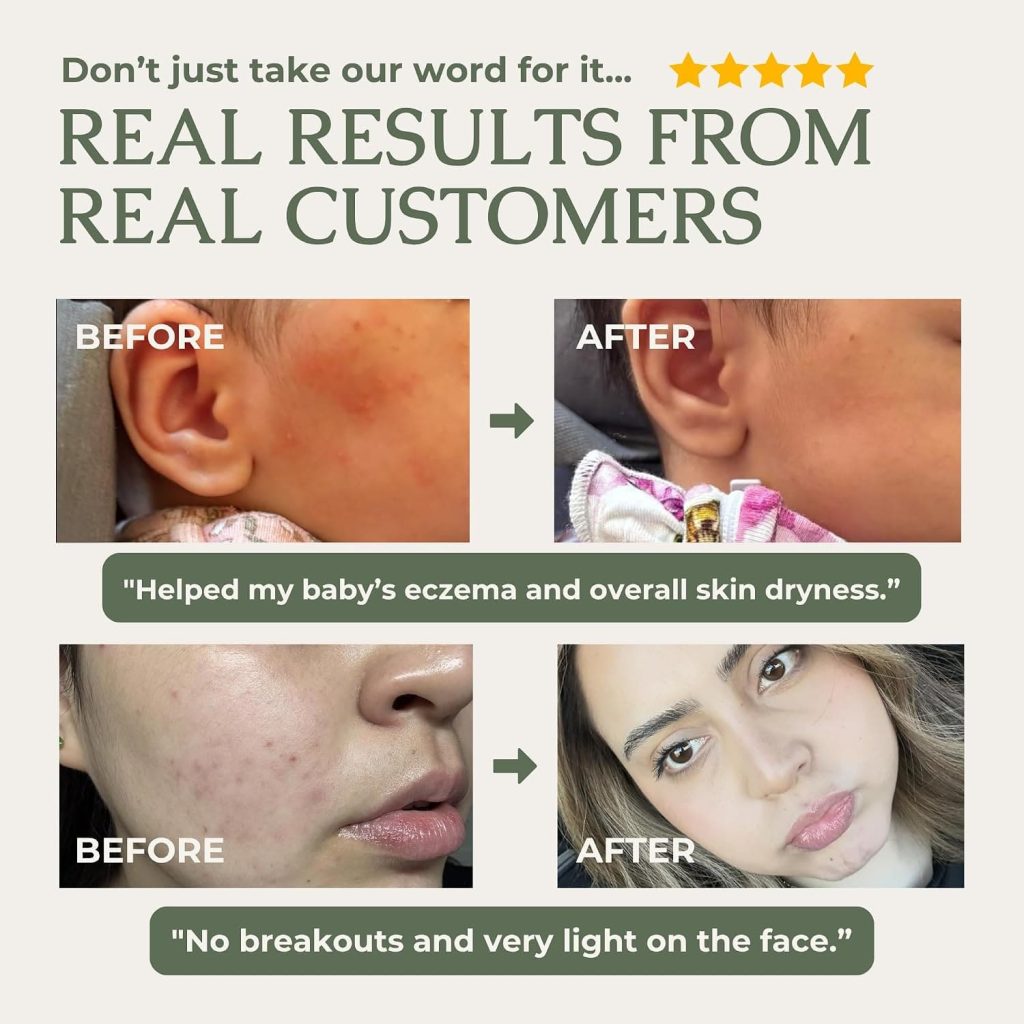
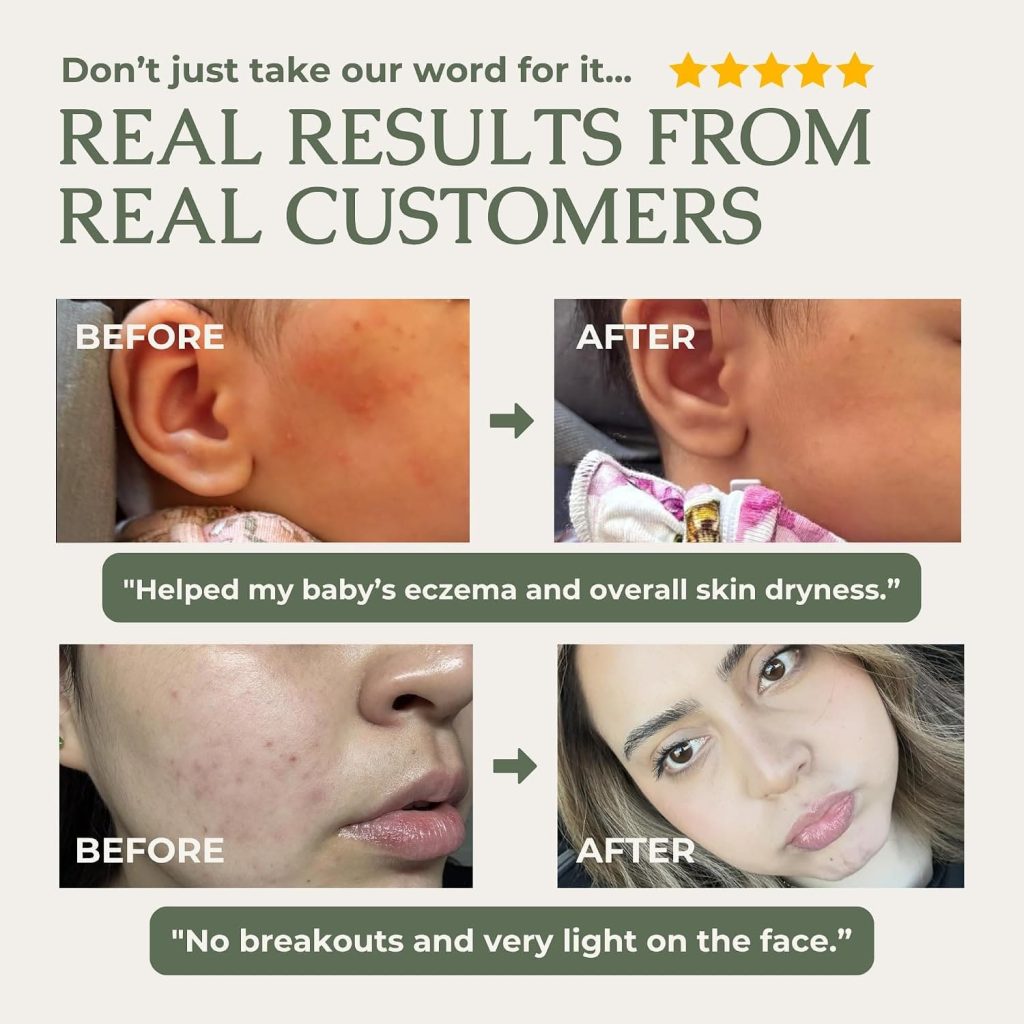
Does It Really Treat Eczema?
This is one of the most important parts of this review.
I would not call Hearth & Homestead tallow an eczema treatment.
The manufacturer markets it heavily toward eczema-prone skin.
There is also some early research suggesting that tallow-containing formulations may have useful moisturizing properties.
But a scientific review found that much of the available evidence is based on animal studies, basic science, or formulations containing tallow rather than strong human trials of pure tallow skincare. The authors specifically called for more research.
What is much better established is that moisturization is an important part of managing eczema-prone skin.
So the sensible statement is:
This balm may function as a moisturizer for dry skin.
That is not the same as saying it cures eczema.
What About Rosacea and Psoriasis?
I would apply the same careful thinking.
A product being gentle or moisturizing does not make it a treatment for rosacea or psoriasis.
These are genuine skin conditions.
A moisturizer may improve dryness or comfort without treating the main biological cause of the condition.
The 2024 tallow review found some early evidence relevant to dermatitis and psoriasis, but emphasized that better controlled human studies are needed.
That makes the balm interesting.
It does not make it proven medicine.
The 1.3 oz Jar: Small but Potentially Long-Lasting
At first glance, 1.3 oz sounds small.
For full-body application, it is small.
You could go through the jar fairly quickly if you covered your arms and legs every day.
But that is not how I think this product makes the most sense.
It works better as a concentrated balm.
Use small amounts on areas that need extra moisture.
Hands.
Feet.
Elbows.
Knees.
Small facial areas.
Used that way, the jar becomes much more practical.
The manufacturer currently also offers a larger 2.6 oz version for people who use more product.
One Thing to Know About Heat
Whipped products are sensitive to temperature.
That is not unique to this brand.
Hearth & Homestead specifically warns that heat can change the texture of its whipped tallow.
The balm can lose some of its fluffy consistency if it gets warm, even though the company says it remains usable.
This matters if you:
Leave packages outside in summer.
Keep skincare inside a hot car.
Store products beside a sunny window.
Live in a very warm climate.
The product may not always look as perfectly whipped as it did when first packed.
I would consider that a texture issue rather than automatically assuming the product has gone bad.
Is “Natural” Automatically Better?
No.
I like natural ingredients.
But I do not use “natural” as a shortcut for “safe” or “effective.”
Poison ivy is natural.
Many allergens are natural.
A product should be judged by how well it works and how well your skin tolerates it.
Hearth & Homestead has an appealing ingredient philosophy.
The company emphasizes traditional processing, simple ingredients, small-batch manufacturing, and traceable animal sourcing.
Those are legitimate reasons to prefer the brand.
They are not substitutes for scientific evidence.
What Stands Out Most to Me
After examining the product, four qualities stand out.
1. Simplicity
The current unscented formula has a very short ingredient list.
That is attractive for people tired of complicated skincare.
2. Rich Moisturizing Feel
Tallow is naturally fatty.
This makes it well suited to a balm designed to soften dry-feeling areas.
3. Whipped Texture
Whipping makes a dense ingredient easier to spread.
That improves everyday usability.
4. No Added Fragrance
For a product aimed partly at sensitive-feeling and dry skin, skipping added fragrance makes sense.
These are the reasons I would consider buying it.
Not because it supposedly solves every skin condition.
Buy this product from Amazon
What Gives Me Pause
The biggest weakness is the marketing language surrounding tallow skincare in general.
Online claims can become extreme.
You may hear that tallow cures acne.
Cures eczema.
Replaces every skincare product.
Reverses aging.
Fixes psoriasis.
There is not strong evidence for those statements.
A recent academic analysis concluded that many social-media claims about beef tallow and conditions such as acne, atopic dermatitis, and psoriasis lack sufficient evidence.
That does not make Hearth & Homestead useless.
It simply puts the product back into the right category:
A moisturizer.
And as a moisturizer, it becomes much easier to judge fairly.
Everyday Use
For someone with dry skin, I can see this fitting naturally into a simple routine.
After washing your hands:
Use a tiny amount on dry knuckles.
Before bed:
Apply some to dry hands, heels, or elbows.
For facial use:
Use a very small amount as the last moisturizing layer on an area that needs extra richness.
During winter:
Keep it available when cold air makes exposed skin feel dry.
That is where the balm makes the most sense to me.
No complicated routine.
No need for five different steps.
Just targeted moisture.
Is Hearth & Homestead Whipped Beef Tallow Worth It?
It can be.
But the answer depends heavily on what you expect from it.
If you expect a traditional, rich, unscented balm that helps soften and protect dry-feeling skin, the product has a clear purpose.
If you value:
Simple ingredients,
Small-batch production,
Animal-based skincare,
Grass-fed sourcing,
No added fragrance,
And a rich whipped texture,
then Hearth & Homestead offers something different from a standard lotion.
If you expect it to cure acne, eczema, psoriasis, rosacea, or another medical skin condition, I would lower those expectations.
Research into topical tallow is still limited, and researchers continue to call for better human studies.
Final Verdict
Hearth & Homestead Whipped Beef Tallow is a simple product with a clear purpose.
It is a rich tallow-based moisturizer made for people who want an alternative to conventional lotions and creams.
Its strongest qualities are the whipped texture, short ingredient list, absence of added fragrance, concentrated balm format, and usefulness on stubborn dry areas.
The current 1.3 oz unscented formula is made with tallow and infused olive oil, according to Hearth & Homestead. The company also emphasizes small-batch Virginia production and grass-fed, grass-finished animal sourcing.
Scientifically, there is a reasonable basis for using tallow as an emollient moisturizer. Its fatty-acid composition can help explain its ability to soften dry-feeling skin. But the evidence becomes much weaker when people start claiming that tallow treats acne, eczema, psoriasis, rosacea, or other dermatological conditions.
That distinction shapes my overall view.
As a rich moisturizer for dry-feeling skin, Hearth & Homestead Whipped Beef Tallow is an interesting and distinctive option.
As a medical treatment, the evidence is not strong enough to make that claim.
For the right buyer, the simple formula and rich texture may be exactly what makes this product appealing.
After reviewing skincare products across different types of moisturizers, balms, oils, and barrier products, I have learned that a long ingredient list does not always mean better skincare. I look closely at ingredients, texture, intended skin type, manufacturing claims, ease of use, and the research behind the benefits being advertised. For this Hearth & Homestead Whipped Beef Tallow Balm, I examined the formula, current manufacturer information, and available research on topical tallow. My goal here is simple: explain what this balm can realistically do, where it stands out, and where expectations should stay reasonable so you can decide whether it fits your skincare routine.
What I Like and What I Don’t
Pros
- Simple tallow-based formula
- Whipped balm texture
- Made for face and body use
- Unscented version has no added fragrance
- Small amount can cover a useful area
- Rich texture suits very dry skin
- Helps reduce the dry, tight feeling of skin
- Creates an occlusive-style protective layer
- Useful for hands, elbows, knees, feet, and other dry areas
- Can be used as a simple final moisturizing step
- Made in small batches in Virginia according to the brand
- Tallow comes from grass-fed and grass-finished cattle according to the current manufacturer information
- No synthetic fragrance in the unscented version
- No complicated skincare routine required
- Portable 1.3 oz jar
- Simple jar packaging
- Suitable for people who prefer traditional balm-style skincare
- No water-heavy lotion texture
- Can be useful during cold or dry weather
- Rich consistency may reduce how much product you need per application
Cons
- Beef-derived, so it is not vegan
- The texture can feel too rich for some people
- May not suit everyone with oily or acne-prone skin
- Human research specifically on beef-tallow skincare remains limited
- Claims about treating eczema, rosacea, psoriasis, or acne are not well established
- Unscented does not necessarily mean completely odor-free
- Natural tallow can have a mild fatty or buttery smell
- Whipped texture may change in high temperatures
- Jar packaging requires fingers or a small applicator
- 1.3 oz is a fairly small amount for regular whole-body use
- Rich balms may feel heavy when too much is applied
- More specialized than a regular drugstore moisturizer
- Price per ounce can be higher than simple lotions
- People with known sensitivities should still patch-test it
Who Will Get the Most Value From It?
Hearth & Homestead Whipped Beef Tallow makes the most sense for someone who prefers a rich and simple moisturizer rather than a light lotion. I see it being most useful for adults with dry-feeling hands, rough elbows, dry facial areas, knees, feet, or skin that feels uncomfortable during cold weather. It may also interest people who prefer traditional animal-fat skincare and want to avoid added synthetic fragrance.
I would be more careful if your skin becomes clogged easily or if you already have active acne. The current research does not establish tallow as universally non-comedogenic for every person, and researchers have specifically noted that stronger evidence is needed around its effects on human skin.
For eczema, psoriasis, rosacea, persistent rashes, broken skin, or other ongoing skin conditions, I would treat this as a moisturizer rather than medicine. Moisturizers can be an important part of eczema care, but that does not mean every moisturizer treats the underlying condition.
Buy this product from Amazon
Product Details
| Specification | Details |
|---|---|
| Product | Hearth & Homestead Whipped Beef Tallow |
| Brand | Hearth & Homestead |
| Product Type | Moisturizing Balm |
| Main Base | Beef Tallow |
| Current Unscented Formula | Tallow + Infused Olive Oil |
| Texture | Whipped Balm |
| Small Jar Size | 1.3 oz |
| Larger Size Available | 2.6 oz on current official listing |
| Added Fragrance | None in Unscented Version |
| Recommended Area | Face and Body |
| Skin Types Marketed For | Dry, combination, oily, sensitive and acne-prone skin |
| Main Cosmetic Purpose | Moisturizing and skin-barrier support |
| Container | Jar |
| Number of Items | 1 |
| Application Time | As Needed |
| Manufacturing Location | Virginia, USA, according to brand |
| Production Style | Small-Batch / Handmade |
| Tallow Source Claim | Grass-Fed and Grass-Finished USA Cattle |
| Processing | Low-Heat Rendering According to Brand |
| Synthetic Fragrance | None in Unscented Formula |
| Target User | Primarily Adults |
| Best Use Areas | Face, hands, elbows, knees, feet and dry body areas |
The current manufacturer page lists the unscented whipped balm in 1.3 oz and 2.6 oz sizes and describes it as a two-ingredient formula made with tallow and infused olive oil.
Breaking Down the Hearth & Homestead Tallow Balm
The Very Short Ingredient List Is a Major Part of Its Appeal
The first thing that stands out to me is how simple this product tries to be.
Modern skincare can become complicated very quickly.
One bottle contains niacinamide.
Another contains peptides.
Another contains retinol.
Then there are toners, essences, serums, creams, sleeping masks, and facial oils.
Hearth & Homestead goes in almost the opposite direction.
The current unscented whipped balm is marketed around only two main ingredients: tallow and infused olive oil.
That simplicity has a real advantage.
It becomes easier to understand what you are putting on your skin.
You are not dealing with a formula containing 20 or 30 ingredients.
For someone who prefers minimalist skincare, this can be attractive.
However, simple does not automatically mean better for every person.
Skin can react to natural ingredients as well as synthetic ingredients.
So I still think a small patch test is sensible when trying any unfamiliar skincare product.
Why Tallow Can Work as a Moisturizing Ingredient
Beef tallow is mainly fat.
That sounds extremely basic, but fat-based ingredients have an important place in skincare.
Dry skin often benefits from ingredients that help reduce moisture loss and improve the feeling of the outer skin layer.
Tallow contains fatty acids including oleic, palmitic, and stearic acids.
A 2024 scientific review found evidence that tallow can have moisturizing and hydrating properties. At the same time, the researchers made it clear that there are major gaps in human research and that more controlled studies are needed.
That gives me a much more balanced way to look at this balm.
I would not describe tallow as a miracle ingredient.
I would describe it as a rich fatty emollient with plausible moisturizing benefits.
That may sound less exciting.
But it is a more useful reason to buy skincare.
The Rich Barrier Feeling
One of the main reasons people use balm products is that they leave more protection on the skin than thin lotions.
A lightweight lotion can disappear quickly.
That is perfect for some situations.
But when my skin-care evaluation is focused on very dry areas, I normally look for something richer.
Tallow naturally creates that richer experience.
Applied in a thin layer, a fat-based balm can soften rough skin and reduce the uncomfortable dry feeling that appears after frequent handwashing, cold weather, or exposure to dry indoor air.
This type of product makes particular sense on:
- Hands
- Knuckles
- Elbows
- Knees
- Heels
- Dry areas around the face
- Other areas that need stronger moisture protection
I would use less on the face than on the hands or feet.
With rich balms, more product is not always better.
The Whipped Texture Changes the Experience
Regular rendered tallow can be dense.
Hearth & Homestead whips its balm.
That changes the way the product feels when you take it from the jar.
Instead of feeling like a hard block of fat, the whipped texture is designed to feel lighter and easier to spread.
The company currently describes the balm as having a light whipped consistency intended for easier absorption.
I think this is one of the most important practical features.
A skincare ingredient can be excellent on paper but annoying to use.
If something is too hard to scoop or too difficult to spread, people stop using it.
Whipping helps solve that problem.
You can pick up a small amount and spread it over a larger area as it warms against the skin.
That also means you should begin with less than you think you need.
Too much can turn the pleasant balm feeling into a heavy greasy layer.
How I Would Apply It
My approach with a balm this rich is simple.
Start small.
A tiny amount is easier to add to than a large amount is to remove.
I would warm the balm between clean fingertips first.
As it warms, it becomes easier to spread.
Then I would press or gently spread a thin layer over the dry area.
On hands, elbows, knees, or heels, I would be comfortable using a little more.
On facial skin, I would use much less.
I also think rich balms generally make the most sense as a final moisturizing layer rather than something applied underneath many other products.
This helps keep the routine simple.
Buy this product from Amazon
Dry Hands Are Probably One of Its Best Uses
If I had to choose one area where a tallow balm makes obvious practical sense, dry hands would be near the top of my list.
Hands take a lot of abuse.
Soap.
Water.
Cold air.
Cleaning products.
Air conditioning.
Paper handling.
Outdoor work.
Repeated washing.
All of these can leave the skin feeling rough.
A rich balm is useful because it stays on the skin differently from a thin lotion.
I particularly like this format for knuckles and the dry areas around the fingers.
You do not necessarily need to coat your hands heavily.
A small amount rubbed into dry areas can be enough.
For daytime use, apply less.
For a richer nighttime moisturizing routine, a slightly heavier layer may feel more comfortable.
Using It on the Face Requires More Restraint
The word “tallow” can make people imagine putting a thick layer of fat across the entire face.
I would not use it that way.
A small amount is enough.
Rich facial products can feel excellent on dry skin when used carefully.
They can also feel uncomfortable when overapplied.
For a dry cheek area, for example, I would use a very thin layer.
The product can act almost like a finishing balm.
That is different from treating it like a normal lightweight face lotion.
This distinction matters.
A 1.3 oz jar looks small, but facial application requires very little product.
As a face balm, the jar may therefore last much longer than it would if used every day across the entire body.
What About Oily or Acne-Prone Skin?
This is where I would be more cautious.
The brand markets its balm for a wide variety of skin types and currently describes it as non-comedogenic.
However, independent evidence is less certain.
A recent analysis of tallow skincare claims noted that claims involving acne and comedogenicity need stronger scientific support.
That does not mean tallow will automatically cause acne.
It means I would not promise that it cannot.
Everyone’s skin behaves differently.
Someone with very dry facial skin could enjoy a fatty balm.
Someone with oily skin and easily blocked pores might prefer a lighter moisturizer.
If you are unsure, testing it on a small area first makes more sense than immediately covering the whole face.
Unscented Is Useful for People Who Dislike Added Fragrance
I prefer the idea of an unscented option for a general-purpose moisturizer.
Fragrance is not necessary for moisturizing.
The current formula does not contain added fragrance, although the manufacturer notes that the ingredients can still have their own natural aroma.
That distinction is important.
“Unscented” does not always mean “smells like absolutely nothing.”
Tallow is an animal-derived fat.
Olive oil also has its own natural scent.
The manufacturing process may reduce strong odors, but someone extremely sensitive to natural ingredient smells may still notice something.
Personally, I would rather have a mild natural ingredient smell than add fragrance simply to hide it in a product designed for dry or sensitive-feeling skin.
Low-Heat Processing Sounds Good, But Keep It in Perspective
Hearth & Homestead emphasizes its rendering method.
The company says it uses a low-heat process and avoids industrial bleaching. It also says its animal fat comes from grass-fed and grass-finished regenerative farms.
From a product-quality perspective, I like transparency about sourcing and processing.
It tells me more than a vague label saying “natural.”
However, I would not turn the processing story into a medical claim.
Low-temperature rendering may help the manufacturer achieve the texture, appearance, and composition it wants.
It does not automatically prove that the balm will treat a skin disease better than a conventional moisturizer.
That is an important line to keep clear.
Beef Tallow and Skin-Friendly Fatty Acids
Tallow contains several fatty acids that are already familiar in cosmetic science.
The published review of tallow identified oleic acid, palmitic acid, and stearic acid among its major fatty components.
These fatty acids help explain why tallow can behave like an emollient.
An emollient helps smooth and soften the skin.
That is the benefit I find easiest to understand when looking at this product.
You do not need complicated claims.
Dry skin feels rough.
A rich fatty balm fills and coats the dry surface.
The skin can then feel softer and less tight.
That simple mechanism is enough to make tallow interesting as a moisturizer.
Hearth & Homestead Whipped Tallow VS Other Moisturizers
| Feature | Hearth & Homestead Tallow | Petroleum Jelly | Regular Body Lotion | Plant-Based Balm |
|---|---|---|---|---|
| Main Texture | Rich whipped balm | Very thick ointment | Light to medium | Rich balm |
| Animal-Derived | Yes | No | Usually no | No |
| Added Fragrance | None in Unscented Version | Usually none | Depends | Depends |
| Main Function | Moisturizing / emollient barrier | Strong occlusive barrier | Hydration + moisturization | Moisturizing / barrier |
| Face Use | Possible in small amount | Possible but very occlusive | Usually easy | Depends on formula |
| Dry Hands | Very suitable | Very suitable | Suitable | Suitable |
| Elbows / Heels | Very suitable | Very suitable | Moderate to good | Very suitable |
| Lightweight Feeling | No | No | Usually yes | Usually no |
| Water-Based | No | No | Usually yes | Usually no |
| Simple Formula | Yes | Very simple | Often more complex | Usually simple |
| Vegan | No | Generally yes from animal-product perspective | Depends | Usually yes |
| Evidence Base | Limited specific tallow research | Extensive occlusive use | Varies by formula | Varies |
| Best Feature | Rich traditional balm texture | Powerful moisture-loss barrier | Easy daily use | Animal-free rich moisture |
| Main Weakness | Limited tallow-specific human research | Greasy feel | Can require frequent reapplication | Formula varies greatly |
Tallow Balm vs Petroleum Jelly
The manufacturer makes strong comparisons with petroleum-based products.
I would be more careful.
Petrolatum has a long history as an effective occlusive skincare ingredient.
Tallow has different fatty components and a different skin feel.
Rather than saying one is automatically better, I would look at what experience you prefer.
Petroleum jelly creates a strong protective layer.
Tallow feels more like a fatty balm or emollient.
Some people will prefer one.
Some will prefer the other.
There is no need to make the choice ideological.
The better moisturizer is the one that your skin tolerates and that you will actually use consistently.
Tallow Balm vs Regular Lotion
This is probably the more useful comparison.
A lotion normally contains significant water.
That makes it lighter and easier to spread over large areas.
Tallow balm is much richer.
For an entire body after a shower, a normal lotion may be easier.
For a stubborn dry elbow, heel, knuckle, or cheek area, the tallow balm may feel more useful.
If you’re like me, you may find that one moisturizer does not need to solve every skincare problem.
A lightweight lotion and a rich balm can serve different purposes.
Does It Really Treat Eczema?
This is one of the most important parts of this review.
I would not call Hearth & Homestead tallow an eczema treatment.
The manufacturer markets it heavily toward eczema-prone skin.
There is also some early research suggesting that tallow-containing formulations may have useful moisturizing properties.
But a scientific review found that much of the available evidence is based on animal studies, basic science, or formulations containing tallow rather than strong human trials of pure tallow skincare. The authors specifically called for more research.
What is much better established is that moisturization is an important part of managing eczema-prone skin.
So the sensible statement is:
This balm may function as a moisturizer for dry skin.
That is not the same as saying it cures eczema.
What About Rosacea and Psoriasis?
I would apply the same careful thinking.
A product being gentle or moisturizing does not make it a treatment for rosacea or psoriasis.
These are genuine skin conditions.
A moisturizer may improve dryness or comfort without treating the main biological cause of the condition.
The 2024 tallow review found some early evidence relevant to dermatitis and psoriasis, but emphasized that better controlled human studies are needed.
That makes the balm interesting.
It does not make it proven medicine.
The 1.3 oz Jar: Small but Potentially Long-Lasting
At first glance, 1.3 oz sounds small.
For full-body application, it is small.
You could go through the jar fairly quickly if you covered your arms and legs every day.
But that is not how I think this product makes the most sense.
It works better as a concentrated balm.
Use small amounts on areas that need extra moisture.
Hands.
Feet.
Elbows.
Knees.
Small facial areas.
Used that way, the jar becomes much more practical.
The manufacturer currently also offers a larger 2.6 oz version for people who use more product.
One Thing to Know About Heat
Whipped products are sensitive to temperature.
That is not unique to this brand.
Hearth & Homestead specifically warns that heat can change the texture of its whipped tallow.
The balm can lose some of its fluffy consistency if it gets warm, even though the company says it remains usable.
This matters if you:
Leave packages outside in summer.
Keep skincare inside a hot car.
Store products beside a sunny window.
Live in a very warm climate.
The product may not always look as perfectly whipped as it did when first packed.
I would consider that a texture issue rather than automatically assuming the product has gone bad.
Is “Natural” Automatically Better?
No.
I like natural ingredients.
But I do not use “natural” as a shortcut for “safe” or “effective.”
Poison ivy is natural.
Many allergens are natural.
A product should be judged by how well it works and how well your skin tolerates it.
Hearth & Homestead has an appealing ingredient philosophy.
The company emphasizes traditional processing, simple ingredients, small-batch manufacturing, and traceable animal sourcing.
Those are legitimate reasons to prefer the brand.
They are not substitutes for scientific evidence.
What Stands Out Most to Me
After examining the product, four qualities stand out.
1. Simplicity
The current unscented formula has a very short ingredient list.
That is attractive for people tired of complicated skincare.
2. Rich Moisturizing Feel
Tallow is naturally fatty.
This makes it well suited to a balm designed to soften dry-feeling areas.
3. Whipped Texture
Whipping makes a dense ingredient easier to spread.
That improves everyday usability.
4. No Added Fragrance
For a product aimed partly at sensitive-feeling and dry skin, skipping added fragrance makes sense.
These are the reasons I would consider buying it.
Not because it supposedly solves every skin condition.
What Gives Me Pause
The biggest weakness is the marketing language surrounding tallow skincare in general.
Online claims can become extreme.
You may hear that tallow cures acne.
Cures eczema.
Replaces every skincare product.
Reverses aging.
Fixes psoriasis.
There is not strong evidence for those statements.
A recent academic analysis concluded that many social-media claims about beef tallow and conditions such as acne, atopic dermatitis, and psoriasis lack sufficient evidence.
That does not make Hearth & Homestead useless.
It simply puts the product back into the right category:
A moisturizer.
And as a moisturizer, it becomes much easier to judge fairly.
Everyday Use
For someone with dry skin, I can see this fitting naturally into a simple routine.
After washing your hands:
Use a tiny amount on dry knuckles.
Before bed:
Apply some to dry hands, heels, or elbows.
For facial use:
Use a very small amount as the last moisturizing layer on an area that needs extra richness.
During winter:
Keep it available when cold air makes exposed skin feel dry.
That is where the balm makes the most sense to me.
No complicated routine.
No need for five different steps.
Just targeted moisture.
Is Hearth & Homestead Whipped Beef Tallow Worth It?
It can be.
But the answer depends heavily on what you expect from it.
If you expect a traditional, rich, unscented balm that helps soften and protect dry-feeling skin, the product has a clear purpose.
If you value:
Simple ingredients,
Small-batch production,
Animal-based skincare,
Grass-fed sourcing,
No added fragrance,
And a rich whipped texture,
then Hearth & Homestead offers something different from a standard lotion.
If you expect it to cure acne, eczema, psoriasis, rosacea, or another medical skin condition, I would lower those expectations.
Research into topical tallow is still limited, and researchers continue to call for better human studies.
Final Verdict
Hearth & Homestead Whipped Beef Tallow is a simple product with a clear purpose.
It is a rich tallow-based moisturizer made for people who want an alternative to conventional lotions and creams.
Its strongest qualities are the whipped texture, short ingredient list, absence of added fragrance, concentrated balm format, and usefulness on stubborn dry areas.
The current 1.3 oz unscented formula is made with tallow and infused olive oil, according to Hearth & Homestead. The company also emphasizes small-batch Virginia production and grass-fed, grass-finished animal sourcing.
Scientifically, there is a reasonable basis for using tallow as an emollient moisturizer. Its fatty-acid composition can help explain its ability to soften dry-feeling skin. But the evidence becomes much weaker when people start claiming that tallow treats acne, eczema, psoriasis, rosacea, or other dermatological conditions.
That distinction shapes my overall view.
As a rich moisturizer for dry-feeling skin, Hearth & Homestead Whipped Beef Tallow is an interesting and distinctive option.
As a medical treatment, the evidence is not strong enough to make that claim.
For the right buyer, the simple formula and rich texture may be exactly what makes this product appealing.